Program
After School & Weekend Quran/Islamic Studies
Quran and Islamic studies for children and youth, available online or in-person.
Program overview
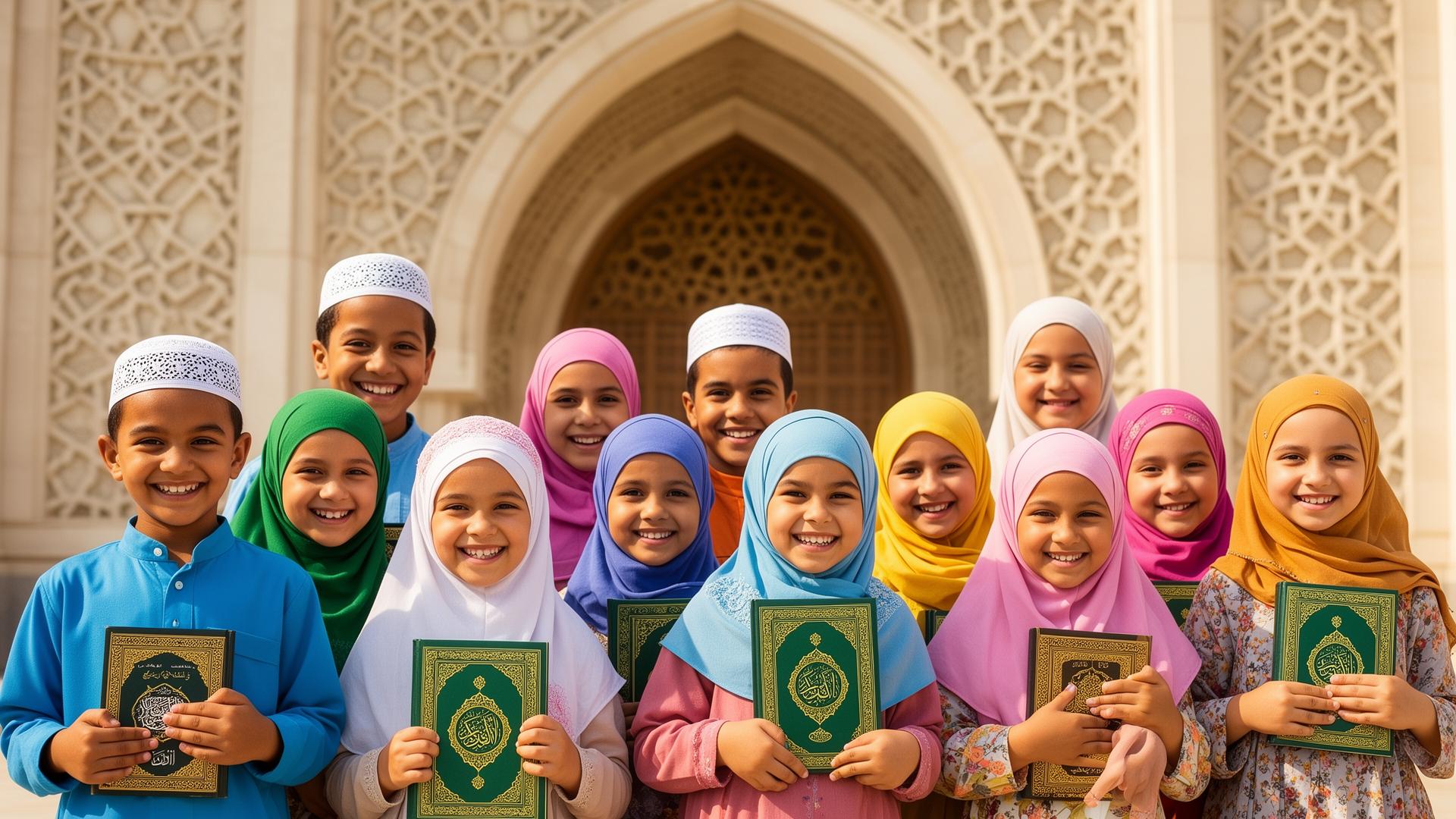
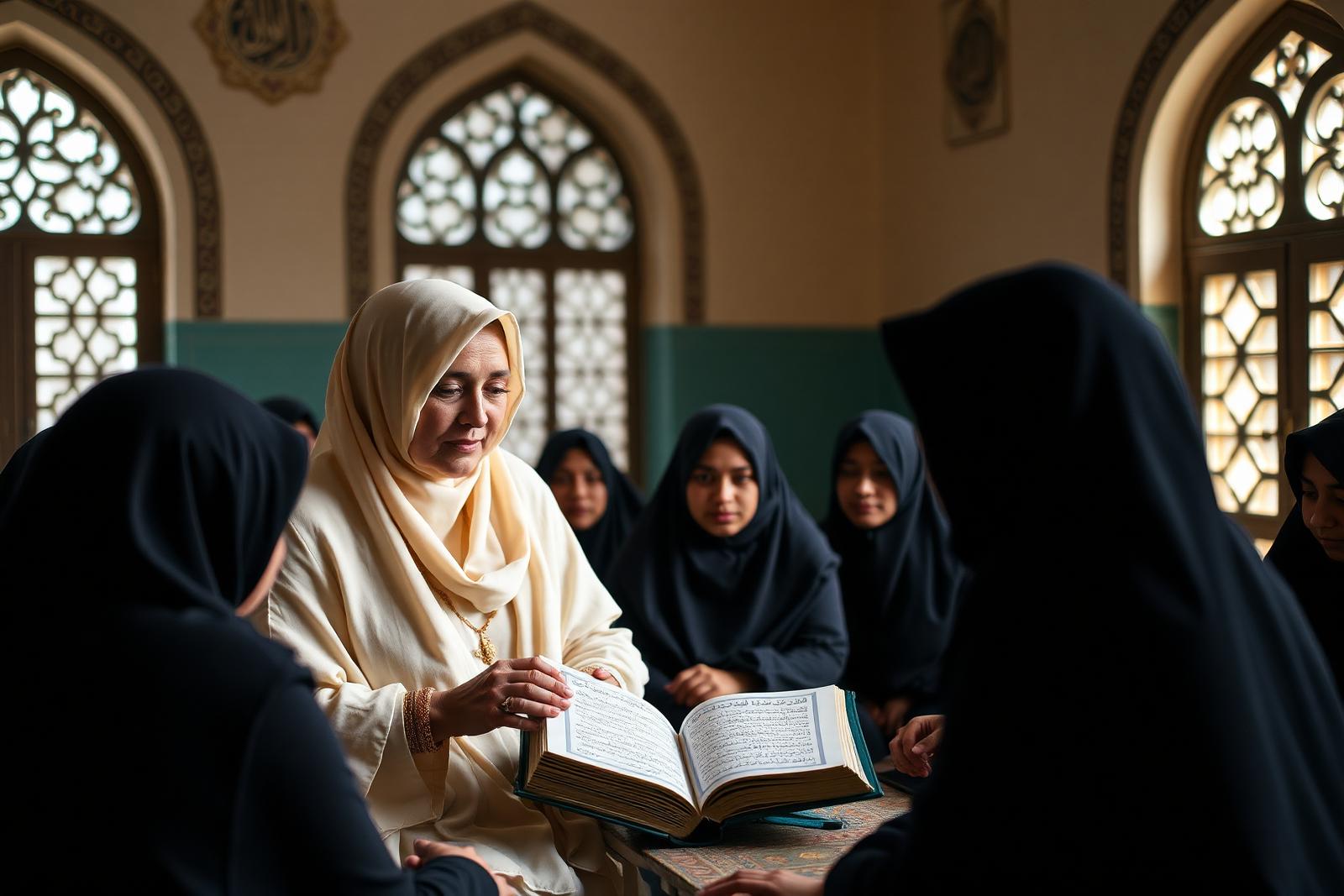
Designed for students in mainstream school, this program delivers structured Quran and Islamic studies after school hours or on weekends. Choose the batch that fits your family, and attend online or on campus.
Curriculum highlights
Step 1: Qaidah — Foundational Reading Skills. Students begin by learning the Arabic alphabet, letter recognition, and proper pronunciation (makharij). Through a systematic approach, they develop the ability to read the Quran with accurate pronunciation and an authentic Arabic accent.
Step 2: Tajwid — Beautifying Recitation. Students learn the rules of tajwid progressively, building one rule at a time through both theoretical study and guided practical application. Each lesson reinforces previously learned rules until students can apply them naturally in their recitation.
Step 3: Quran — Fluency & Completion of Quran Reading. Students strengthen their fluency by reading the entire Quran (Juz' 1–30) from cover to cover. The focus is on improving confidence, consistency, pronunciation, and the practical application of tajwid along with learning the rules of waqf and ibtida (stopping/resuming in a verse).
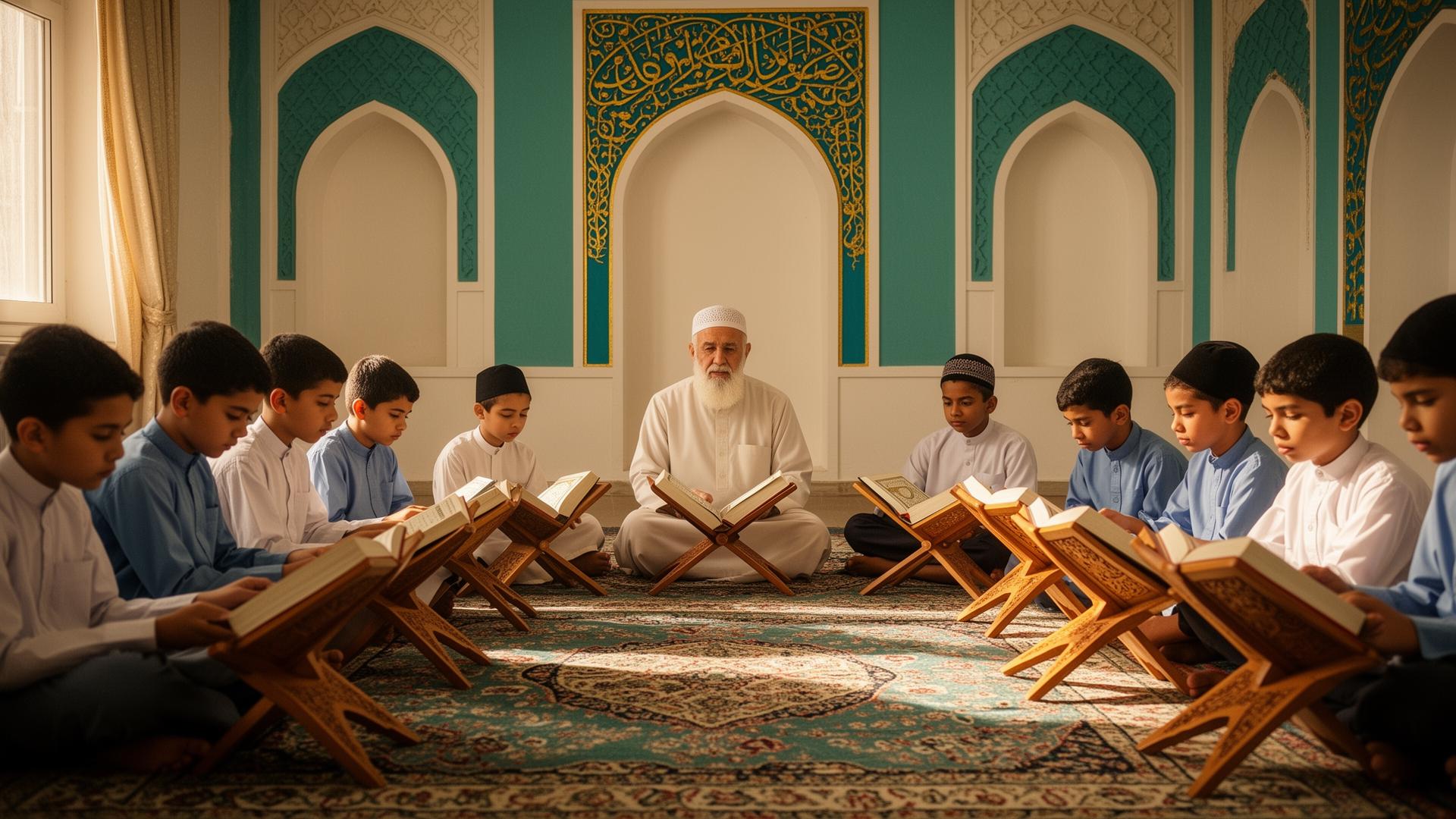
Step 4: Hifdh — Quran Memorization. After demonstrating proficiency in Quran reading and completing the full reading of all 30 ajzaa', students begin their official Hifdh journey.
Thursdays Islamic Study Sessions — Students will build their knowledge on the five pillars of Islam, fiqh of purification and prayer, stories of the Prophets, and Islamic etiquettes along with dua memorization.
Program objectives
Students confidently read the Quran with correct pronunciation and a strong phonetic foundation.
Students can accurately apply and explain all major tajwid rules in any verse of the Quran.
Students complete the recitation of the entire Quran with fluency, proper pronunciation, and correct tajwid.
Students build strong, reliable memorization while preserving accuracy, fluency, and excellent tajwid.
Students build a strong foundation in Islamic knowledge, worship, and character, enabling them to confidently practice and live by the teachings of Islam in their daily lives.
Other programs
In-person · Online classes available for traveling or sick students
Full-Time Hifdh with Secular Studies
$5,400/year or $450/month
Online (CT) or in-person · After-school & weekend
After-School & Weekend Aalimiyyah Prep
$1,250/year

Online (CT) · One-on-one
Tajweed Simplified
$125/month
Online (CT) · Group class
Ijaazah Simplified
$1,500/year or $125/month